
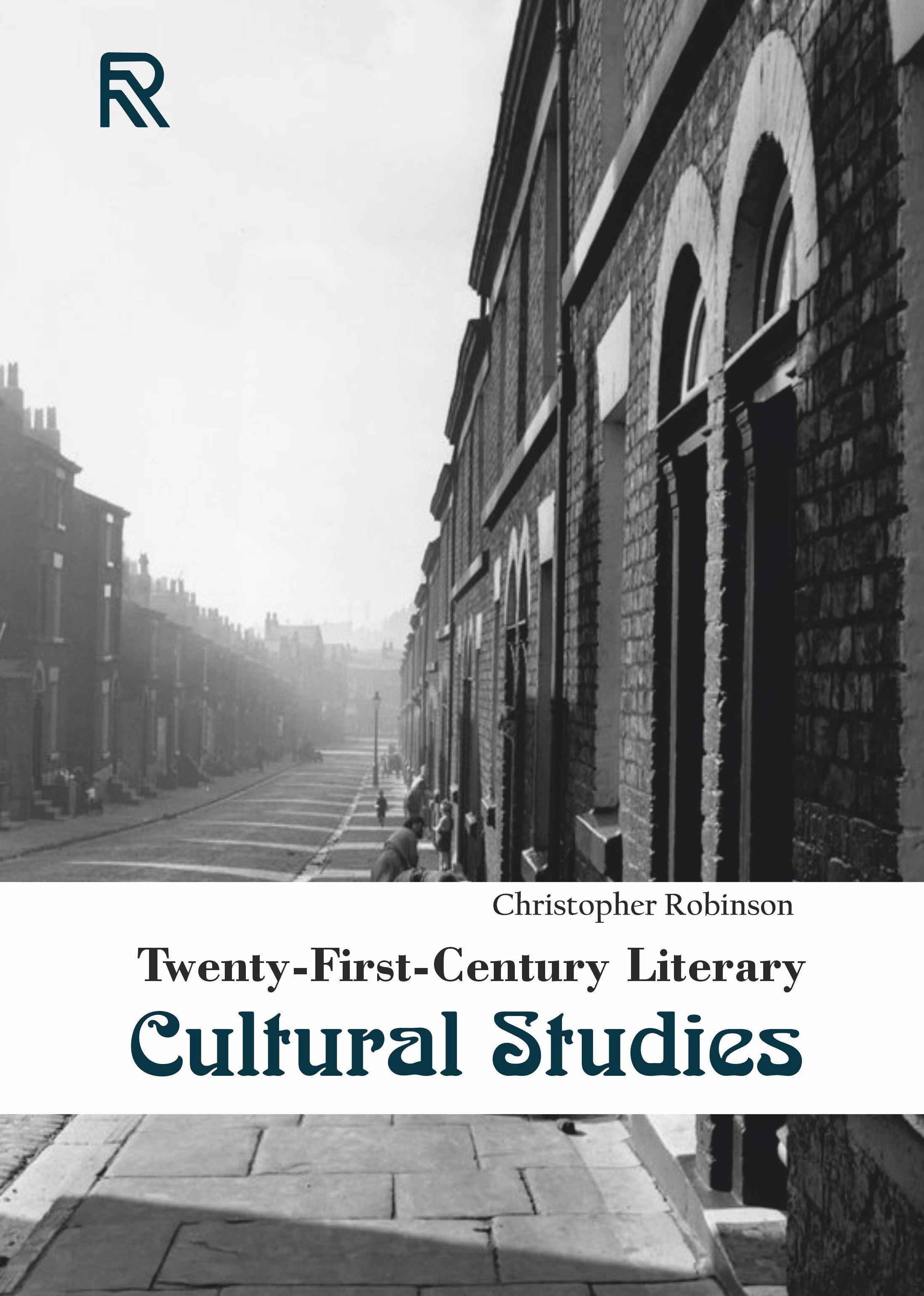
Twenty-first-century literary cultural studies analyze contemporary texts through lenses of rapid technological change, globalization, and shifting identities post-9/11. It explores themes like environmentalism, digital culture, and resistance by marginalized voices, often blending traditional literature with new media. Key approaches include ecocriticism, gender studies, and analyzing literature's role in a fragmented, hyper-connected world. In Literary and Cultural Studies, context refers to the historical, social, cultural, and technological circumstances surrounding a work of art or literature, providing the background necessary for its production and reception. It encompasses the author's life and intentions, the conditions of the time, cultural trends, comparisons to other works, and the methods used to interpret these elements. Examining context is central to understanding how texts function as personal identity constructions and political interventions, and it remains a dynamic and contested area of study within the humanities. The specific time period when a work was created and the major historical events occurring then. The broader societal norms, beliefs, values, and cultural movements influencing the text and its audience. Information about the author's life, experiences, political positions, and motivations. The historical and cultural circumstances of how a text was received and interpreted by its audiences. How contemporary technology and digital developments impact the creation and study of cultural works. Context provides crucial background information to understand a work's themes, meanings, and significance. It shows how texts function within their original settings, such as personal identity construction or political engagement. The choice of which contextual factors to emphasize shapes the methodology of literary and cultural research. It allows for the comparison of past and present conditions, showing how cultural phenomena have changed. Studying context connects various fields, including comparative literature, art history, film, and digital humanities, offering a holistic understanding. New theories and technologies constantly challenge and prompt us to rethink what constitutes "context". The study of context also involves engaging with literature that may not be part of canonical literary histories. The relationship between text and context is not always a simple reflection; authors often strategically use stylistic strategies to influence their context. Current scholarship addresses the challenges of studying works in their contexts across diverse areas and new theoretical developments. Twenty-First-Century Literary Cultural Studies is an interdisciplinary book that deals with the challenges of studying works of art and literature in their historical context today.

$280.00