
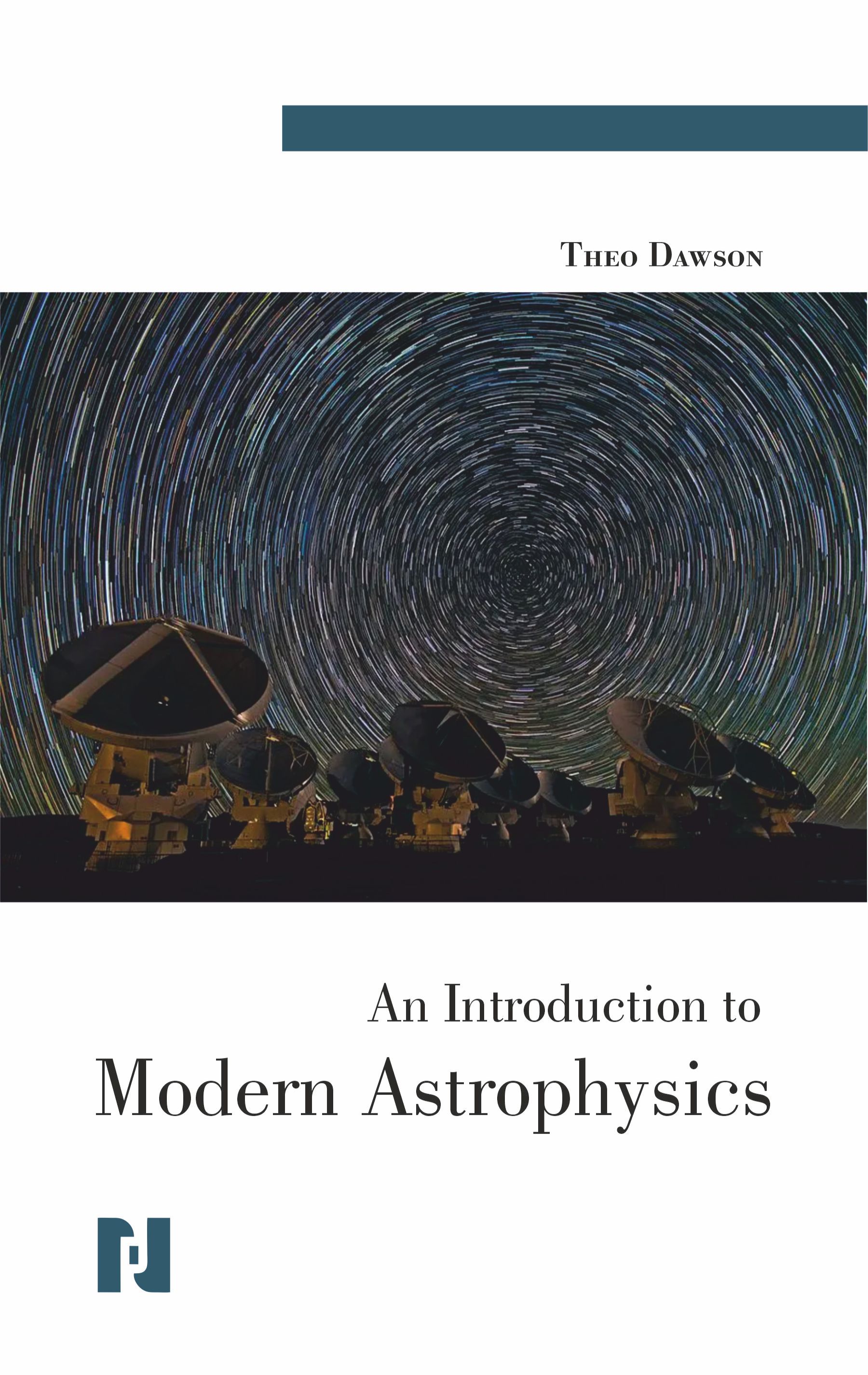
An Introduction to Modern Astrophysics serves as a portal into the study of the cosmos, transforming distant points of light into a dynamic field of physical inquiry. This text bridges the gap between fundamental physics and the spectacular phenomena of the universe, grounding celestial wonders in the concrete laws of nature. It presents astrophysics not as a collection of facts, but as a detective story where light, gravity, and motion provide the clues. Each chapter builds a toolkit, starting with the core principles that govern how we gather information across the vastness of space. The properties of stars, for example, become solvable puzzles through the analysis of their radiation, revealing their hidden composition, temperature, and life cycles from birth within dense clouds of gas to their dramatic finales. The narrative then expands in scale, examining the complex architecture of galaxies-those immense islands of stars, dark matter, and interstellar material. It details the evidence for a universe in a state of perpetual expansion, tracing the trail from the primordial afterglow of the Big Bang to the large-scale structure we observe today. Crucially, the book confronts the universe's most persistent mysteries head-on, dedicating significant focus to the dominant yet elusive components of our cosmos: dark matter and dark energy. It outlines the gravitational effects that betray dark matter's presence in galaxy rotations and cluster dynamics, and it explores the observational data that point to dark energy as the engine driving an acceleration in the universe's expansion. These sections highlight the current frontiers of the field, showing where established physics meets the need for new ideas. Throughout this journey, the book maintains a tight focus on the methods that dene modern research.
Theo Dawson is a voice of rare clarity in the world of modern astrophysics. Her work exists at the vital intersection where grand cosmic theory meets tangible, observable phenomena. Dawson possesses a distinct talent for demystifying the universe’s most formidable concepts—from the warped space-time around black holes to the faint afterglow of the Big Bang—without sacrificing their inherent wonder or scientific rigor. Her expertise is not confined to a single niche. Instead, Dawson maps the intricate connections between stellar life cycles, galactic evolution, and the profound quest for exoplanets and life beyond Earth. She approaches astrophysics as a dynamic, ongoing detective story, where new data from telescopes like Hubble and JWST continuously rewrite cosmic narratives. Her writing and lectures highlight ho¬¬¬w raw data transforms into profound insight, making the iterative, evidence-based nature of scientific progress both accessible and thrilling. What defines Dawson’s contribution is her emphasis on the human element within this vast cosmic scale. She frames astrophysics as a fundamental human endeavor, a pursuit driven by curiosity that connects our ancient ancestors gazing at the stars to teams of engineers operating a rover on Mars. She illuminates the practical technologies born from astrophysical research and explores the philosophical questions that studying the cosmos inevitably raises about our own place within it. As an educator and communicator, Dawson’s method is direct, engaging, and rich with vivid metaphor.
|
Preface |
|

$280.00