
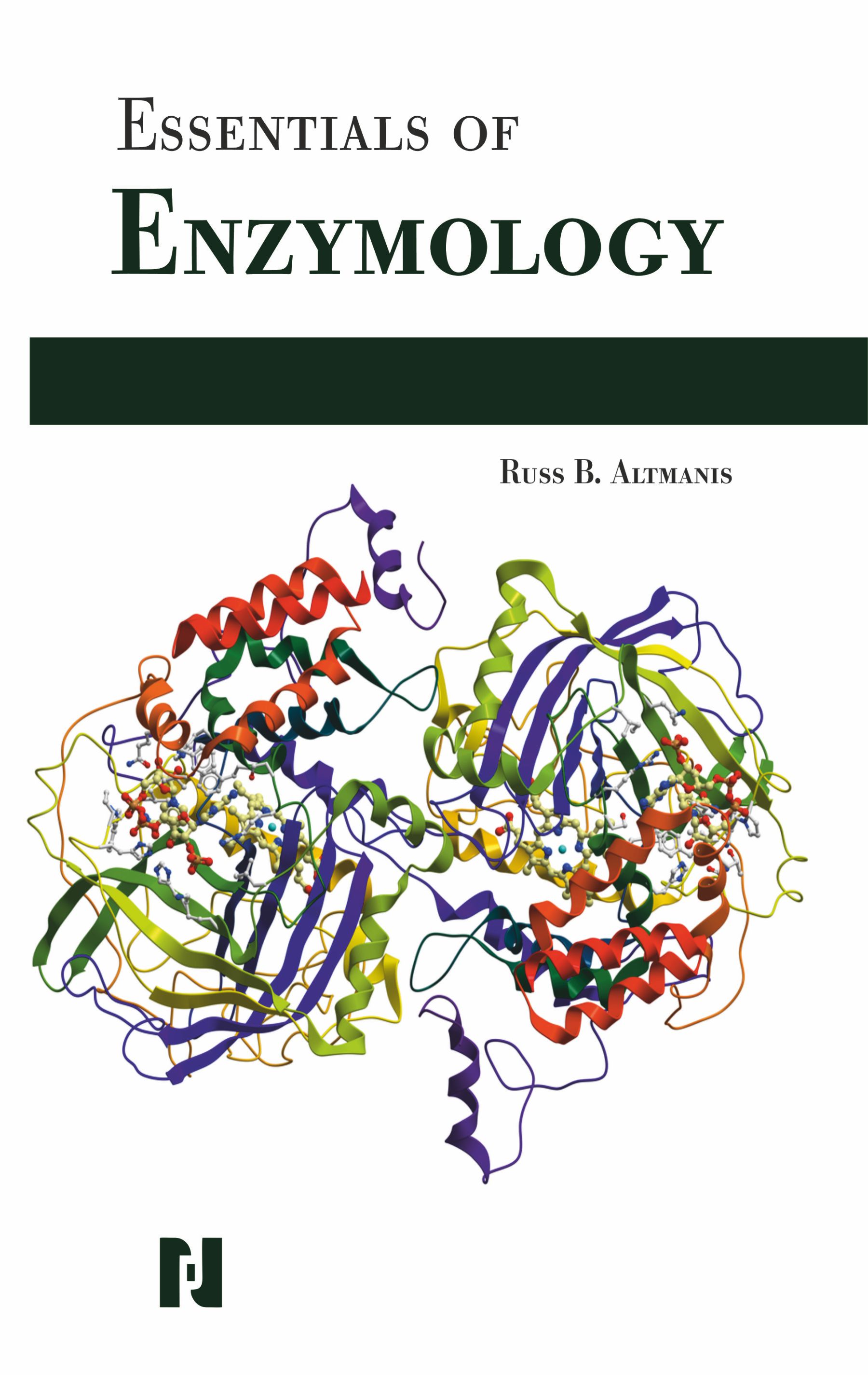
Enzymology is one of the branches of Biochemistry in which numerous advances are made. Enzymes are proteins produced in cells that catalyse and accelerate the metabolism in living organsisms. The Enzymes have been used indirectly since the origin of human. Curdling of milk by lactose fermentation and preparation of wine, beer, vinegar etc are some of the processes that are in use since thousands of years. The protease rennin is perhaps the first cell free enzyme used in making of cheese which is in practice since hundreds of years. Probably the protease Trypsin which improves the efficiency of detergent isolated from animal source was the first commercial enzyme to be reported in Germany in 1914. Subsequently in 1959 microbial protease from Bacillus sp was used in washing power. Later on use of enzymes in food industry gained momentum. Commercial Enzymes can be extracted from different sources such as Microorganisms, Plants and Animals but Microorganisms form major source because they are economical and so on. With the advancement in Genetic Engineering and r-DNA technology it is possible to not only synthesize and obtain desired enzymes but to produce tailor made enzymes as per customers requirement. The prospectus of Enzyme Industry is definitely bright due to its increased applications in different Industries such as Food Industry, Brewing Industry, Agricultural Industry, Laundry Industry, Pharmaceutical Industry, Textile Industry, Animal feed Industry, Medical, clinical Diagnostics fields and many more. The information in this book is condensed but maximum attempt has been made to provide complete information required for understanding the basics of Enzymology and its applications. Essentials of Enzymology provides concise information on an important area of the subject, Biochemistry. This may serve as course material for an advanced treatise in Enzymology designed for undergraduate science degree programs, especially B.Sc. (Hons) Biochemistry and Chemistry. The book chapters deal with the nature of enzymes (history, properties and classification), enzyme physiology; structure of enzymes, and analytical enzymology; Enzyme Kinetics, Enzyme catalysis and mechanisms and regulation. Lastly, it discusses about the applications of enzymology. Significantly, the kinetics of enzyme catalyzed reactions in diverse experimental conditions, and also under various inhibition types are presented in a simple, mathematical lucid approach. The mechanisms of action for two atypical proteinschymotrypsin and lysozyme, so also the identification of active sites of enzymes by specific labels are discussed concisely.
Russ B. Altmanis the Kenneth Fong Professor of Bioengineering, Genetics, Medicine, Biomedical Data Science and past chairman of the Bioengineering Department at Stanford University. His primary research interests are in the application of computing (AI, data science and informatics) to problems relevant to medicine. He is particularly interested in methods for understanding drug action at molecular, cellular, organism and population levels. His lab studies how human genetic variation impacts drug response. Other work focuses on the analysis of biological molecules to understand the actions, interactions and adverse events of drugs. He has 30 research paper published on enzyme actions. He helps lead an FDA-supported Center of Excellence in Regulatory Science & Innovation. Dr. Altman holds an AB from Harvard College, and an MD from Stanford Medical School, and a PhD in Medical Information Sciences from Stanford.
|
Preface |
|

$280.00