
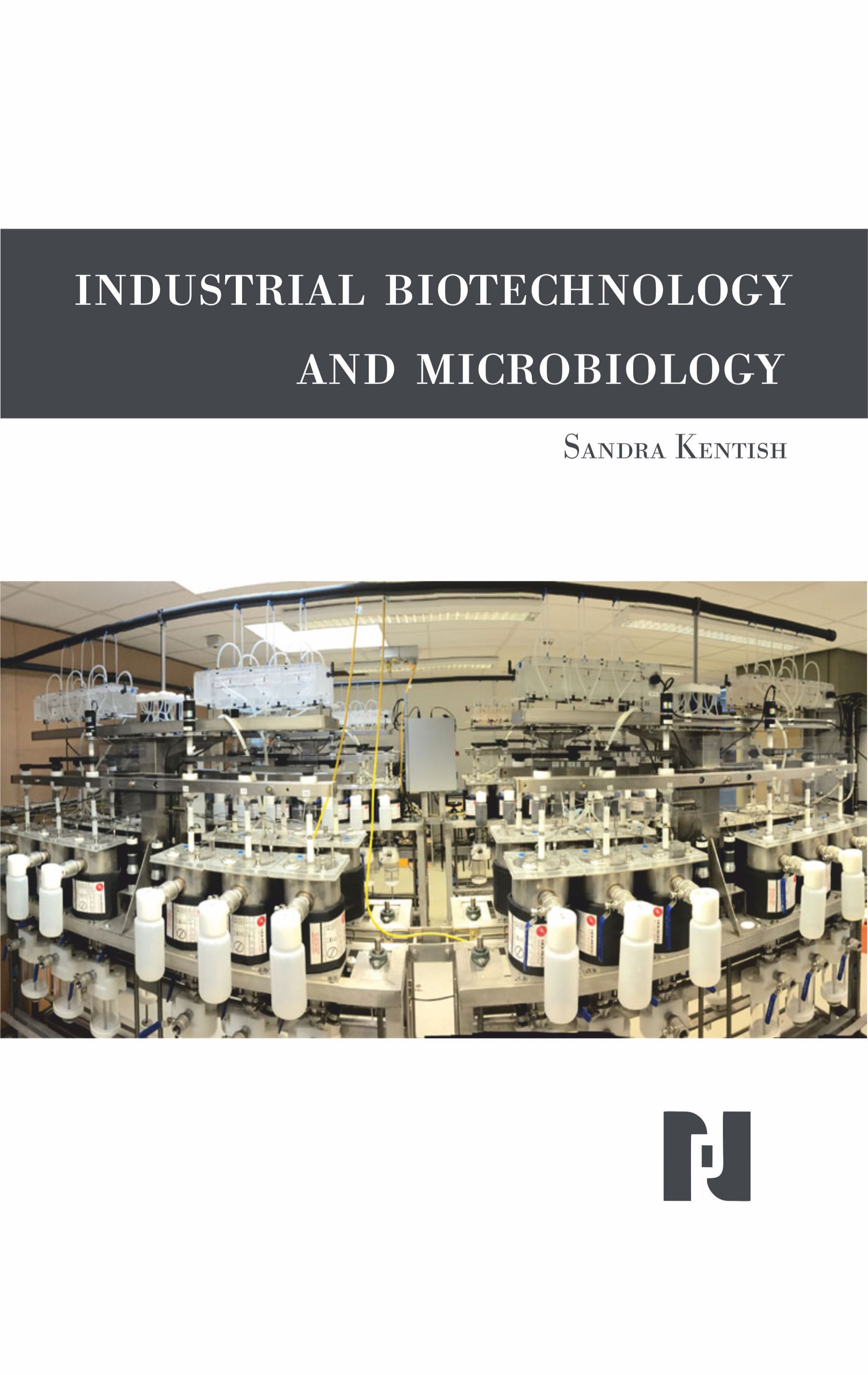
The field of industrial microbiology has been undergoing rapid change in recent years. First, what has been described as the 'cook book' approach has been largely abandoned for the rational manipulation of microorganisms on account of our increased knowledge of their physiology. Second, powerful new tools and technologies especially genetic engineering, genomics, proteomics, bioinformatics and such like new areas promise exciting horizons for man's continued exploitation of microorganisms. Third, new approaches have become available for the utilization of some traditional microbial products such as immobilized enzymes and cells, site-directed mutation and metabolic engineering. Simultaneously, microbiology has addressed itself to some current problems such as the fight against cancer by the production of anti-tumor antibiotics; it has changed the traditional practice in a number of areas: for example the deep sea has now joined the soil as the medium for the search for new bio active chemicals such as antibiotics. Even the search for organisms producing new products has now been broadened to include unculturable organisms which are isolated mainly on genes isolated from the environment. Finally, greater consciousness of the effect of fossil fuels on the environment has increased the call in some quarters for the use of more environmentally friendly and renewable sources of energy, has led to a search for alternate fermentation substrates, exemplified in cellulose, and a return to fermentation production of ethanol and other bulk chemicals. Due to our increased knowledge and changed approach, even our definitions of familiar words, such as antibiotic and species seem to be changing. This book was written to reflect these changes within the context of current practice. This book is directed towards undergraduates and beginning graduate students in microbiology, food science and chemical engineering. Those studying pharmacy, biochemistry and general biology will find it of interest. The section on waste disposal will be of interest to civil engineering and public health students and practitioners. For the benefit of those students who may be unfamiliar with the basic biological assumptions underlying industrial microbiology, such as students of chemical and civil engineering, elements of biology and microbiology are introduced.
Professor. Sandra Kentish is a Redmond Barry Distinguished Professor at The University of Melbourne. Professor Kentish currently sits on the Board of the Bionics Institute and the Science, Health and Engineering Advisory Committee of the EPA Victoria. She is Chair of the Victorian Division of the Academy of Technological Sciences and Engineering, a Director of Australian Academic Volunteers Abroad and an Editor of the Journal of Membrane Science. Professor Kentish was Head of the School of Chemical and Biomedical Engineering (2017-2022), Head of the Department of Chemical Engineering (2012-17) and the Discipline Leader in the CRC for Greenhouse Gas Technologies (CO2CRC) for Membrane Technology from 2003-2015. She was selected as one of Australia's Most Innovative Engineers by Engineers Australia in 2017 and as a Woman of Influence by the Australian Financial Review in 2018. She was elected to the Australian Academy of Technology and Engineering (ATSE) in 2019. Professor Kentish has been awarded the University of Melbourne Excellence Award in Graduate Researcher Supervision, the Membrane Society of Australasia Anita Hill Leadership award, the Grimwade Prize in Industrial Chemistry and the Caltex Teaching Award of Excellence for Training of Chemical Engineers in Australasia. Before commencing an academic career, Professor Kentish spent nine years in industry, with positions in Altona Petrochemical Company, Kodak Australasia and Kimberly Clark Australia.
| Preface Chapter 1. Introduction to Industrial Biotechnology & Microbiology Definition and Scope of Biotechnology Historical Development of Microbiology Microbes in Industrial Products Branches of Industrial Microbiology Microorganisms in Bioeconomy Chapter 2. Microbial Metabolism and Regulation Catabolism and Anabolism Glycolysis and Electron Transport Chain Regulation of Enzyme Activity Biosynthesis of Primary and Secondary Metabolites Nitrogen and Sulfur Metabolism Chapter 3. Fermentation Technology Basics of Industrial Fermentation Fermenter Design and Operation Upstream Processing in Fermentation Downstream Processing Basics Use of Fermentation in Antibiotic and Enzyme Production Chapter 4. Enzyme Technology in Microbial Systems Introduction to Enzymes Production of Microbial Enzymes Enzyme Classification and Mechanisms Immobilized Enzymes Thermostable and Extremozymes Chapter 5. Genetic Manipulation in Industrial Microbiology Gene Cloning and Recombinant DNA Technology Gene Transfer Methods: Transformation Polymerase Chain Reaction (PCR) CRISPR-Cas Systems Applications of Genomics and Proteomics |
Chapter 6. Antibiotics and Secondary Metabolites Definition and Classes of Antibiotics Mechanism of Action of Antibiotics Secondary Metabolite Production of Vitamins and Hormones Role of Microbes in Pharmaceutical Industry Chapter 7. Biofuels and Renewable Energy Types of Biofuels: Ethanol, Biodiesel, Biogas Anaerobic Digestion and Methane Production Algal Biofuel Systems Cellulosic Ethanol Production Sustainability and Environmental Impact Chapter 8. Biopolymers and Bioplastics Introduction to Bioplastics Polyhydroxyalkanoates (PHA) and Polylactic Acid (PLA) Microbial Synthesis of Biopolymers Industrial Production and Market Potential Biodegradation and Environmental Safety Chapter 9. Food and Dairy Microbiology Probiotics and Functional Foods Microbial Contamination and Food Safety Single Cell Protein (SCP) HACCP and Quality Control Chapter 10. Downstream Processing in Microbial Products Filtration and Centrifugation Cell Disruption Methods Solvent Extraction and Precipitation Drying and Crystallization Process Integration and Automation Bibliography Index |

$280.00