
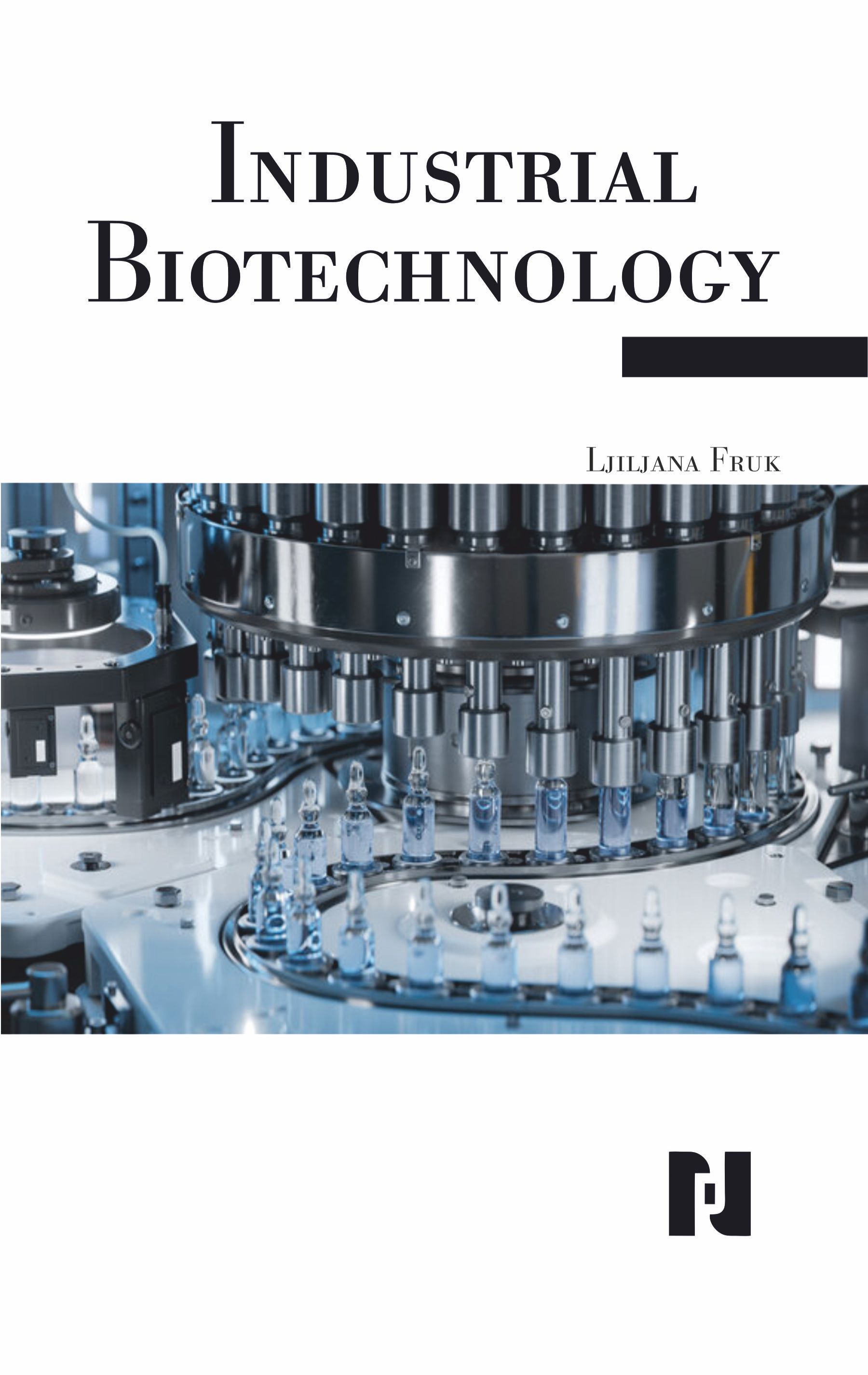
Industrial biotechnology is a key technology for future economic development. It is the application of biotechnology to the eco-efficient production and processing of chemicals, materials and bio-energy. It utilises the extraordinary capabilities of micro-organisms and enzymes, and their diversity, efficiency and specificity, to make products in sectors such as chemicals, food and feed, pulp and paper, textiles, automotive, electronics and, crucially, energy. The outlook for industrial biotechnology is promising owing to the timely convergence of drivers of industrial biotechnology with the unprecedented progress in the biological sciences. The barriers are many, and they have to be tackled through national, regional and internationally harmonised policy. The tremendous progress in biology over the last half century - from Watson and Crick's elucidation of the structure of DNA to today's astonishing, rapid progress in the field of synthetic biology has positioned us for significant innovation in chemical production. New bio-based chemicals, improved public health through improved drugs and diagnostics, and biofuels that reduce our dependency on oil are all results of research and innovation in the biological sciences. In the past decade, we have witnessed major advances made possible by biotechnology in areas such as rapid, low-cost DNA sequencing, metabolic engineering, and high-throughput screening. The manufacturing of chemicals using biological synthesis and engineering could expand even faster. Industrial biotechnology can be defined as the use of modern biological life sciences in various industries. Biotechnology has a myriad of applications in our day to day life such as with simple processes such as the brewing of beer, use of enzymes in detergents, production of fermented food, production of antibiotics, nutritional supplements etc. This book also includes processes (production of biofuels, treatment of effluents) that contribute to creating efficient, eco-friendly environments. This book discusses the different aspects of bioprocesses; media design, fermenter design and the economics of it. It also explains in detail the processes and techniques involved in the production of commercially important products. This book is an up-to-date collection of the latest practices being followed in the field of industrial biotechnology for students both at the undergraduate and postgraduate level.
Dr. Ljiljana Fruk, Associate Professor of Bio Nano Engineering, Department of Chemical Engineering and Biotechnology got the degree in Chemistry from University of Zagreb and PhD in biospectroscopy from University of Strathclyde. She was Humbolt and Marie Curie fellow at University of Dortmund prior to taking on Group leader position at Karlsruhe Institute of Technology in 2009. She joined Department of Chemical Engineering and Biotechnology as a lecturer in 2015.She is pursuing two lines of research based on development of nanostructured, bio-inspired materials. Biomedical part of her research is focused on design of drug nano carriers for reprogramming of solid tumours and removal of senescent cells, as well as engineering of biosensors for early detection of cancer. Another line of research is concerned with the use of developed (nano) materials for preparation of photoactivable artificial enzymes that can be used both in biomedical and catalytic applications.
|
Preface |
Chapter 6. Bioreactor Design and Scale-Up Types of Bioreactors Scale-Up Principles and Dimensional Analysis Computational Modeling of Bioreactors Automation Bioprocessing and Advantages of Automation Mass Transfer, Heat Transfer, and Oxygen Transfer Instrumentation and Process Monitoring Chapter 7. Downstream Processing and Product Recovery Cell Disruption and Separation Filtration, Centrifugation, and Chromatography Extraction and Purification Techniques Chapter 8. Microbial Cell Factories Industrial Relevant Microbiology Genetic Manipulation for Enhanced Production Advantages of Using Prokaryotic vs. Eukaryotic Hosts Metabolic Engineering and Synthetic Biology Chapter 9. Industrial Applications of Biotechnology Pharmaceutical Industry (Antibiotics, Vaccines, Hormones) Food and Beverage Biotechnology (Fermented Foods, Enzymes) Environmental Applications (Bioremediation, Waste Treatment) Agricultural Biotechnology (Biofertilizers, Biopesticides) Chapter 10. Environmental Biotechnology and Sustainability Microbial Treatment of Industrial Effluents Bioaugmentation and Biostimulation Industrial Symbiosis and Zero-Waste Concepts Life Cycle Analysis of Biotechnological Processes Bibliography Index |

$280.00