
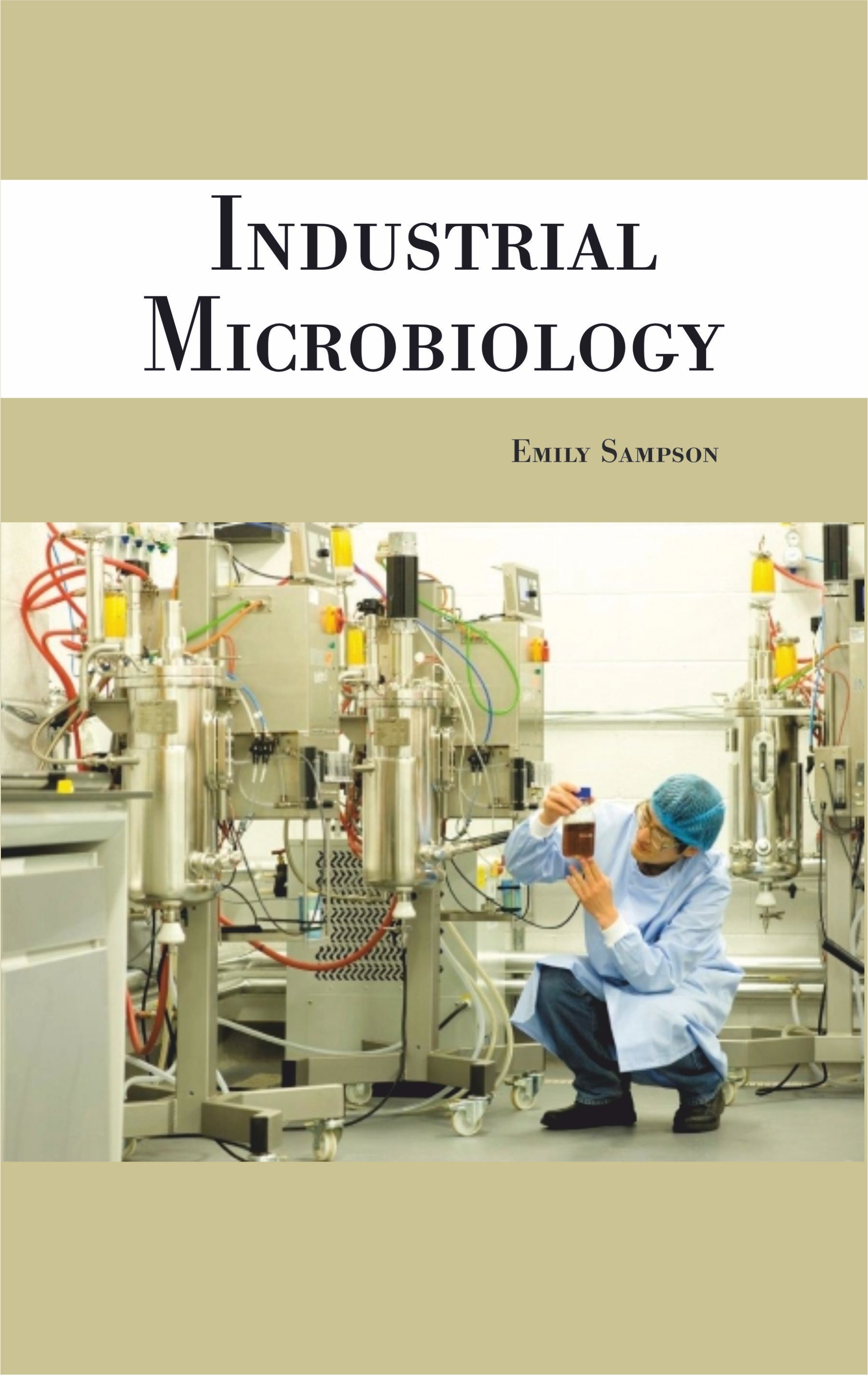
Industrial microorganisms have contributed enormously to the pharmaceutical, food, beverage, and chemical industries in the past, and are rapidly advancing in the production of renewable energy; they have been central in the development of an ever-expanding field of biotechnology. It is hard to imagine what life would be like without the fruits of industrial microbes. Some aspects of industrial microbiology have not changed much over the years. The production of fine wines has been refined and perfected, and there is probably not much yet to be learned by studying the molecular biology of the specific yeast cultivars. Industrial microbiology encompasses the utilization of fermentation, as well as other biotechnological processes and microbial culture technologies, involving a diverse array of microbes, fungi, and cell-free systems. Through these techniques, the production of valuable organic compounds is achieved, serving as both microbial biomass nutrients and as end-products of microbial metabolism. This book is intended to be an introduction to industrial microbiology. The book has drawn from the experience of teaching industrial microbiology and other aspects of applied microbiology to undergraduates and masters students on a range of applied biology, microbiology, biotechnology, food science and chemical engineering courses. It is assumed that the reader will have an elementary knowledge of microbiology and biochemistry. Nevertheless, even those students with only a basic knowledge of chemistry and cell biology, and those who are not specialist microbiologists, should find the material accessible. Of major economic, environmental and social importance, industrial microbiology involves the utilization of microorganisms in the production of a wide range of products, including enzymes, foods, beverages, chemical feedstocks, fuels and pharmaceuticals, and clean technologies employed for waste treatment and pollution control. Aimed at undergraduates studying the applied aspects of biology, particularly those on biotechnology and microbiology courses and students of food science and biochemical engineering, this text provides a wide-ranging introduction to the field of industrial microbiology. Industrial Microbiology is a groundbreaking book encompassing the entire spectrum of industrial microbiology, filling a significant void in the field. From tracing its historical roots to exploring primary and secondary metabolites, down to downstream processing and product recovery, this book offers a cohesive narrative previously unavailable in a single resource. The meticulously structured chapters discuss the systematic journey of metabolites, covering the screening of microorganisms, preservation techniques, fermentation media, fermenters, and the significance of industrially vital secondary metabolites.
Emily Sampson Graduated from Elmira College with a Bachelor's Degree Microbiology. She was awarded PhD. for her research on fermentation processes for novel food products. In 2008 she accepted assistant professor position in the Cornell Institute of Biotechnology and assumed responsibility. During her academic career she has been actively involved in establishing a full-fledged department of Microbiology in the University and also in designing the course curriculum for various under graduate, post graduate and doctoral programs offered from the department. As a part of the program requirement, she has also been engaged in guiding post graduate and doctoral students in the subject. For more than a decade she has focused her research in the area of Antimicrobial Resistance and has explored the bioactive compounds from natural products as an Alternate means to address the problem.
| Preface Chapter 1. Introduction to Industrial Microbiology Definition and Scope of Industrial Microbiology Historical Evolution of Microbial Industries Major Industrial Applications of Microorganisms Role of Microbiology in Global Economy and Sustainability Ethical and Biosafety Considerations in Industrial Settings Emerging Technologies in Microbial Industries Chapter 2. Microbial Physiology and Metabolism Nutritional Classification of Microorganisms Aerobic Vs Anaerobic Metabolism Energy Generation Pathways in Microbes Metabolic Flux and Its Industrial Relevance Regulation of Microbial Metabolic Pathways Chapter 3. Fermentation Technology Principles of Fermentation Processes Batch, Fed-Batch, and Continuous Fermentation Design and Components of Fermenters Optimization of Fermentation Parameters Chapter 4. Industrially Significant Microbes Role of Yeast in Alcohol and Bioethanol Production Lactic Acid Bacteria in Dairy and Probiotic Industries Filamentous Fungi in Enzyme and Acid Production Acetobacter Species in Vinegar Fermentation Chapter 5. Industrial Enzymology Classification and Types of Industrial Enzymes Microbial Sources of Enzymes Production and Recovery of Microbial Enzymes Immobilized Enzymes and Their Applications Enzymes in Food, Textile, and Detergent Industries |
Chapter 6. Microbial Production of Antibiotics Antibiotic Discovery and Screening Methods Biosynthesis of Β-Lactam Antibiotics Industrial Production of Streptomycin Antibiotic Yield Improvement Techniques Chapter 7. Microbial Production of Organic Acids Citric Acid Production Using Aspergillus Niger Lactic Acid Fermentation Using Lactobacillus Acetic Acid Production and Acetogenesis Succinic and Gluconic Acids: Production and Uses Chapter 8. Alcohol and Beverage Microbiology Ethanol Fermentation from Sugar and Starch Sources Beer Brewing: Microorganisms and Process Flow Wine Production and Microbial Ecology Distilled Spirits: Process and Organisms Chapter 9. Microbes in Environmental Applications Principles of Microbial Bioremediation Microbial Degradation of Hydrocarbons Microorganisms in Sewage and Wastewater Treatment Microbial Desulfurization and Heavy Metal Detox Chapter 10. Microbial Cell Factories Concept of Microbial Chassis Organisms Metabolic Pathway Engineering for Product Yield Synthetic Biology Tools for Cell Factory Design Microbial Production of Bioplastics and Solvents Bibliography Index |

$280.00