
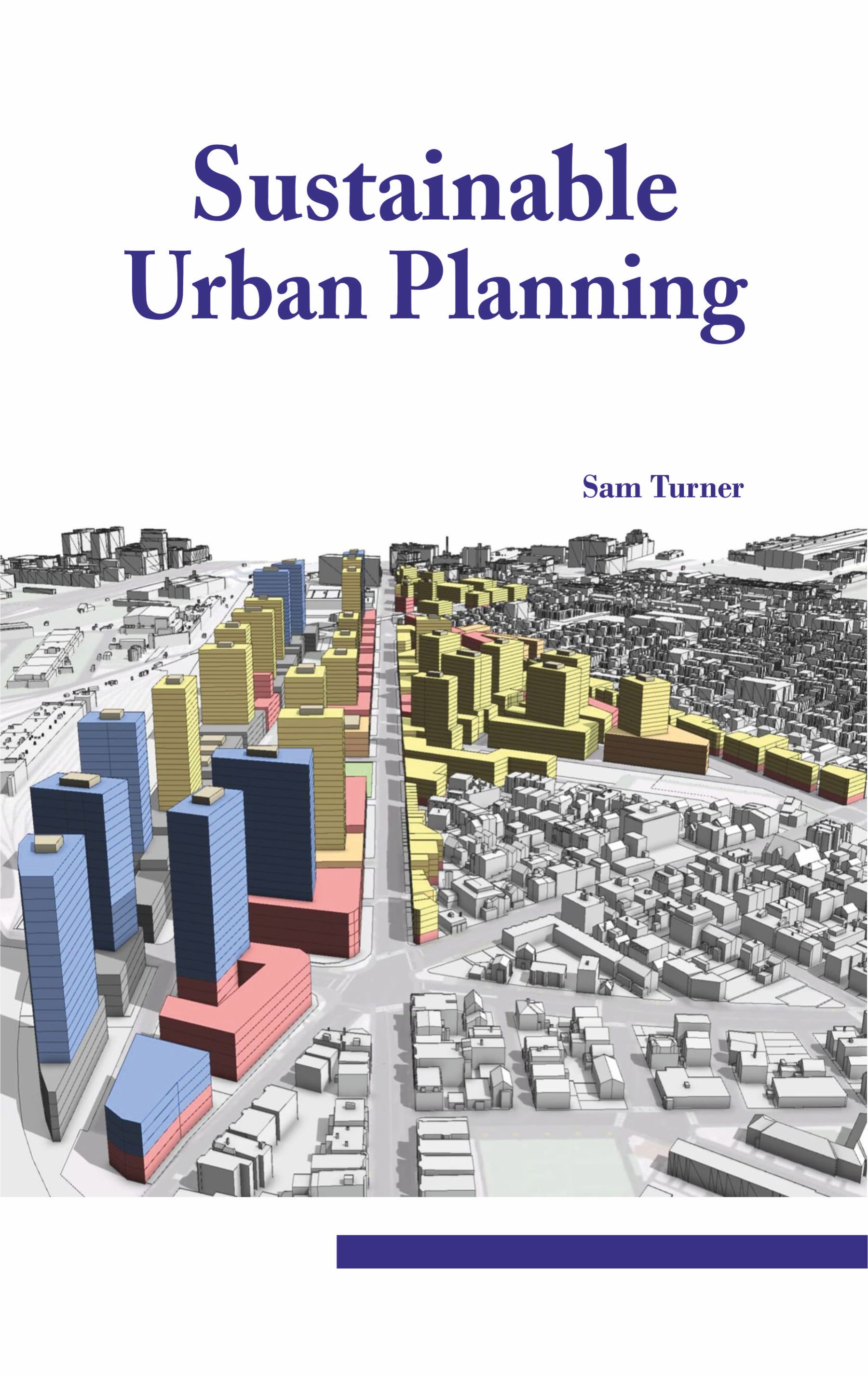
The book Sustainable Urban Planning offers a comprehensive and integrative exploration of how cities can be planned, managed, and transformed to meet the challenges of the twenty-first century. It is designed as both an academic foundation and a practical guide, bringing together theoretical perspectives and applied insights to address the social, economic, environmental, and institutional dimensions of urban sustainability. The book recognizes that rapid urbanization, climate change, inequality, and resource constraints demand new planning approaches that go beyond conventional models of growth. By framing cities as complex and interconnected systems, the book emphasizes long-term resilience, inclusivity, and environmental responsibility as core principles of sustainable urban development. At its foundation, the book introduces the core concepts and principles of sustainable urban planning, tracing their roots in sustainable development theory and planning practice. It explains how sustainability in cities requires balancing economic efficiency, social equity, and environmental protection, rather than prioritizing one at the expense of others. The foundational chapters establish a conceptual framework that helps readers understand why traditional urban planning approaches often fall short and how integrated, systems-based thinking can produce more durable and just outcomes. This foundation sets the stage for a deeper examination of the key sectors and processes that shape urban form and function. Urban growth, land use, and zoning are examined as central mechanisms through which sustainability goals are either advanced or undermined. The book explores how patterns of urban expansion, density, and spatial organization influence energy use, transportation demand, and access to services. It highlights the role of land-use planning and zoning regulations in guiding development toward compact, mixed-use, and transit-oriented forms that reduce sprawl and resource consumption. By linking land-use decisions to broader sustainability outcomes, the book underscores the importance of proactive and flexible planning tools in shaping sustainable urban futures.
Sam Turner is widely recognized as a leading expert in the field of Sustainable Urban Planning, known for combining rigorous academic insight with a deep understanding of realworld urban challenges. With a career spanning research, policy advisory roles, and practical planning engagement, Turner has consistently focused on how cities can grow and transform while remaining environmentally responsible, socially inclusive, and economically resilient. Their work reflects a holistic understanding of cities as complex systems where land use, infrastructure, governance, and community life are inseparably connected. Educated in urban and regional planning with advanced training in sustainability studies, Sam Turner developed a strong interdisciplinary perspective early in their career. This background enabled them to bridge gaps between planning theory, environmental science, and socio-economic policy. Turner's academic contributions have helped clarify key concepts in sustainable urban development, particularly the integration of environmental limits with urban growth and governance frameworks. Their writing is valued for its clarity and balance, making complex planning ideas accessible to students, professionals, and policymakers alike.
| Preface Chapter 1. Foundations of Sustainable Urban Planning Defining Sustainable Urban Planning Historical Evolution of Urban Sustainability Principles and Frameworks of Sustainability Interdisciplinary Approaches to Planning Global Urban Challenges and Opportunities The Role of Policy, Governance, and Planning Measuring Sustainability in Cities Contemporary Trends in Sustainable Urbanism Chapter 2. Urban Growth, Land Use, and Zoning Patterns of Urban Growth and Sprawl Land Use Planning and Sustainable Zoning Mixed-Use Development Strategies Compact Cities and Smart Growth Principles Greenfield vs. Brownfield Development Urban Densification and its Impacts Land Markets and Regulatory Frameworks Case Studies in Sustainable Land Use Chapter 3. Housing, Communities, and Social Sustainability Affordable Housing Strategies Community-Led Development Initiatives Inclusive Neighborhood Planning Social Equity and Urban Design Slum Upgrading and Redevelopment Housing Policy and Legal Frameworks Participation and Stakeholder Engagement Case Studies in Socially Sustainable Housing Chapter 4. Transportation and Mobility Sustainable Transport Planning Principles Public Transit Systems and Mass Mobility Cycling, Pedestrian Networks, and Walkability Reducing Car Dependence and Congestion Transit-Oriented Development (TOD) Smart Mobility and Technology Integration Equity and Accessibility in Transportation Global Best Practices in Sustainable Mobility |
|

$280.00