
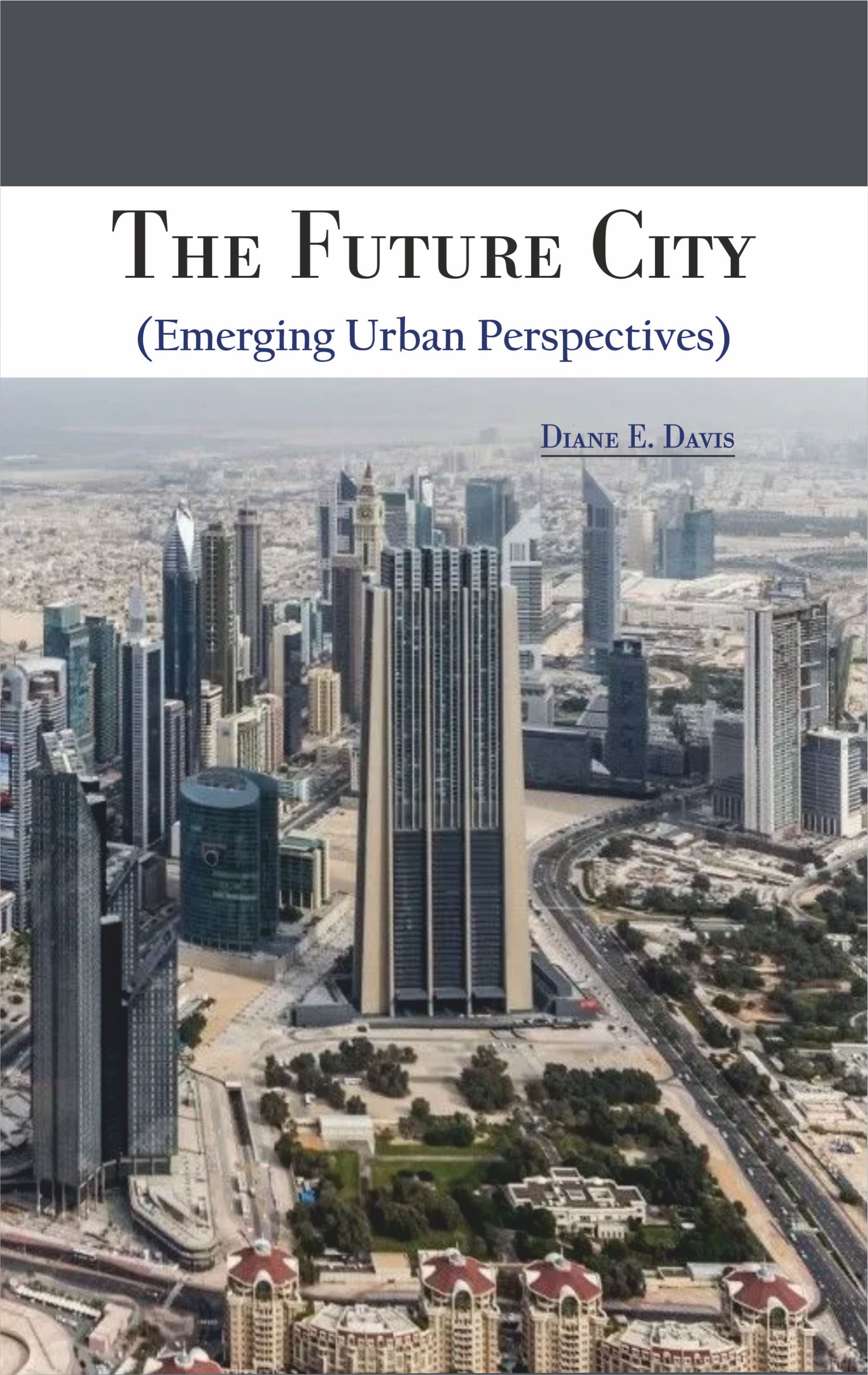
The need for future cities stems from global challenges like climate change, population growth, and the demand for improved quality of life through sustainable, innovative, and resilient urban development. We need a shift from traditional urban models to green spaces and efficient resource management to combat climate change and urban sprawl. Designing cities that can withstand and adapt to environmental challenges like droughts and floods. Leveraging information technology, advanced infrastructure, and high-tech solutions to improve urban functions and resident experiences. Focusing on citizen well-being through better public services, diverse economic opportunities, and accessible amenities. Creating environments that foster innovation, attract talent, and support thriving businesses and industries. Components of Future Cities requires incorporating extensive vegetation, nature-based solutions, and sustainable energy systems. Prioritizing public transportation networks to reduce reliance on private vehicles and improve accessibility. Utilizing smart technologies, cybersecurity, and data to optimize city functions and manage urban systems. Implementing governance models that encourage citizen participation, transparency, and effective management of urban resources. Fostering environments with world-class education, technology startups, and a strong ecosystem for innovation. We cannot predict future cities, but we can invent them. Cities are largely unpredictable because they are complex systems that are more like organisms than machines. Neither the laws of economics nor the laws of mechanics apply; cities are the product of countless individual and collective decisions that do not conform to any grand plan. They are the product of our inventions; they evolve. This book explores what we need to understand about cities in order to invent their future. This book is written for students and academicians of Urban Studies to---understand the key concepts and theories related to the future of cities; analyse the challenges and opportunities in urban planning and development; evaluate innovative technologies and strategies for building sustainable and smart cities; develop practical skills for future-focused urban planning and policy analysis; and apply critical thinking to address real-world urban challenges and future scenarios. This text focuses on cities as the dominant form of human settlement for the future, examining the transformation that is happening in urban connobations worldwide today.
Diane E. Davis is the Charles Dyer Norton Professor of Regional Planning and Urbanism and former Chair of the Department of Urban Planning and Design at Harvard's Graduate School of Design (GSD). She also is the director of the Mexican Cities Initiative at the GSD, and faculty chair of the committee on Mexico at the David Rockefeller Center for Latin American Studies at Harvard. Before moving to Harvard in 2012, Davis served as the head of the International Development Group in the Department of Urban Studies and Planning at MIT, where she also was Associate Dean of the School of Architecture and Planning. Trained as a sociologist with an interest in cities in Latin America (BA in Geography, North-western University; Ph.D. in sociology, UCLA) Davis's research interests include the relations between urbanization and national development, urban governance, urban social movements, and informality, with a special emphasis on Mexico.
| Preface 1. Introduction to Future Cities 1–16 1.1 Defining Future Cities 1.2 Changing Dimensions of Cities 1.3 Developing Countries as The Engine Growth In 21st Century 2. Demographic Shifts 2.1 Global Urbanisation Trends 2.2 Population Growth and Migration 2.3 Aging and Stagnant Urban Population in Developed Countries 2.4 Young and Rapidly Expanding Urban Population in Developing Countries 2.5 Summary 3. Smart Cities and Technology Innovations 3.1 Technology and Smart Cities 3.2 Internet of Things in Urban Environment 3.3 Big Data and Urban Analytics 3.4 Big Data Analytics 3.5 Urban Analytics 3.6 Artificial Intelligence and Smart Urban Services 3.7 Challenges of Artificial Intelligence in Smart Cities 3.8 Future Trends of Artificial Intelligence in Smart Cities 3.9 Circular Economy and Green Infrastructure 3.10 Green Infrastructure 3.11 Futuristic Transport Planning and Management 4. Social and Cultural Shifts 4.1 Remote Work and Future Workforce Trends 4.2 Co-Living and Co-Working Spaces 4.3 Affordable Housing and Urban Development 4.4 Cultural Shifts and Inclusive Cities 4.5 Global Perspectives in Future Cities Bibliography Index |

$280.00