
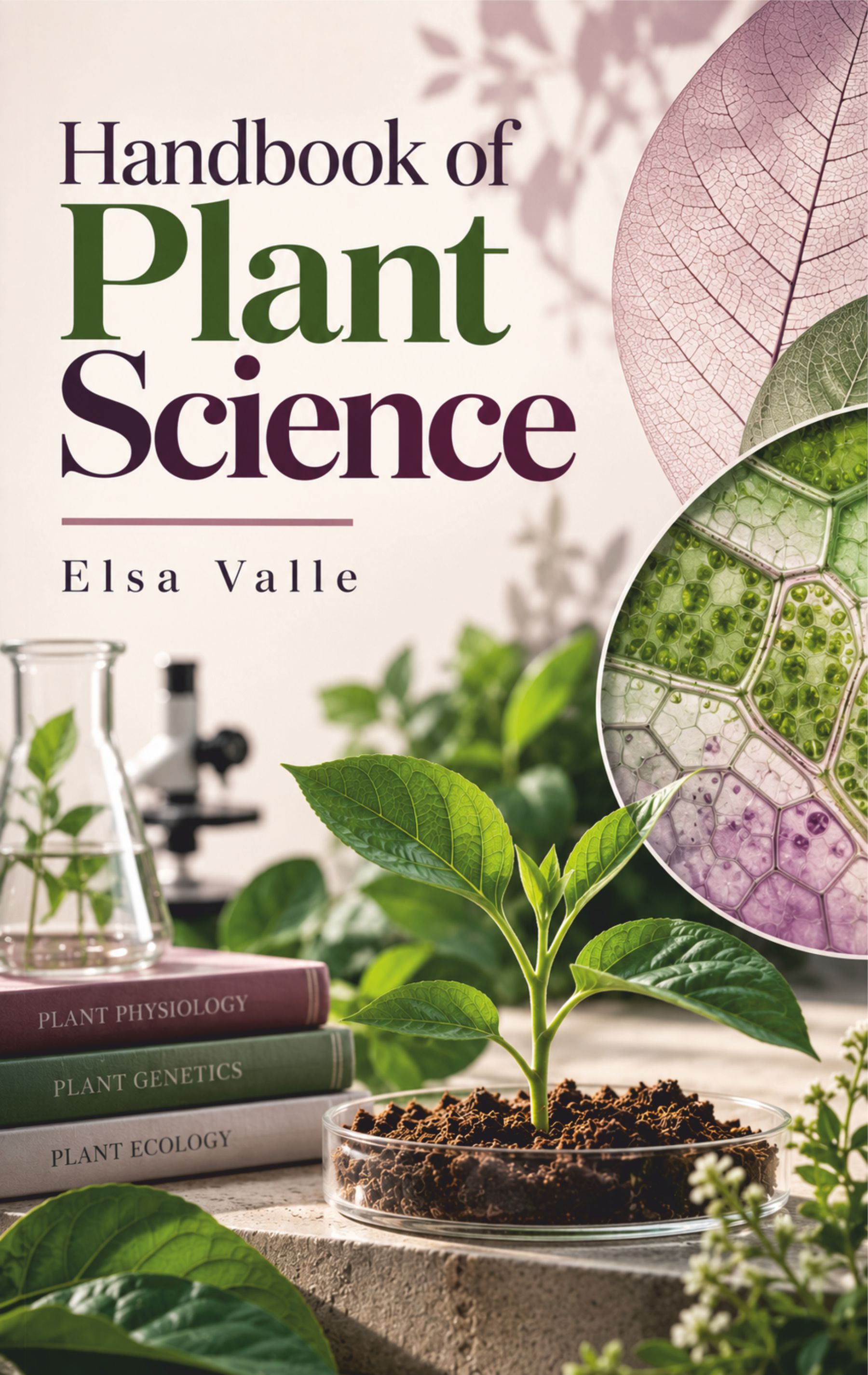
Plant Science, like the biological sciences in general, has undergone seismic shifts in the last thirty or so years. Of course science is always changing and metamorphosing, but these shifts have meant that modern plant science has moved away from its previous more agricultural and botanical context, to become a core biological discipline in its own right. However, the sheer amount of information that is accumulating about plant science, and the difficulty of grasping it all, understanding it and evaluating it intelligently, has never been harder for the new generation of plant scientists or, for that matter, established scientists. And that is precisely why this Handbook of Plant Science has been put together. This book traces the evolutionary history, taxonomy, and phylogeny of the plant kingdom. It provides a baseline understanding of how diverse plant species are classified, their historical development, and the foundational principles of botanical research. It explores the structural composition of plants at both macroscopic and microscopic levels. It covers the histology and morphology of plant organs (roots, stems, leaves, flowers, and fruits) and details internal structures like vascular bundles, tissues, and cellular arrangements. Details the vital biochemical pathways and internal processes that keep plants alive and functioning. Key topics include photosynthesis, respiration, water transport (xylem and phloem), mineral nutrition, and the metabolic processes that synthesize vital organic compounds. Focuses on the genetic blueprints governing plant traits, inheritance, and cellular function. It covers DNA replication, gene expression, chromosomal organization, and how molecular tools manipulate plant genetics for biological research and agriculture. Examines the life cycle of plants from seed germination to senescence. This includes the mechanics of flowering, pollination, fertilization, embryo development, and the regulatory role of plant hormones. Addresses plant diseases caused by pathogens (fungi, bacteria, viruses, and nematodes) and pest interactions. This area focuses on identifying disease symptoms, understanding host-pathogen interactions, and developing strategies for crop protection and pest management. Studies how plants interact with their surrounding environments and other organisms.
Dr. Elsa Valle is a leading botanist, researcher, and educator with over two decades of experience in plant biology. She holds a Ph.D. in Plant Ecology from Cambridge University, where her pioneering research on forest canopy ecosystems earned the prestigious Linnean Excellence Award. Dr. Elsa currently serves as the Chair of the Department of Botanical Sciences at the Pacific Institute of Technology. Her fieldwork has taken her from the dense Amazon rainforests to the arid landscapes of sub-Saharan Africa, focusing on how climate change affects plant physiology and soil microbiomes. She has published over 50 peer-reviewed papers and frequently collaborates with international conservation agencies to develop sustainable agricultural practices. Handbook of Plant Science synthesizes her years of laboratory research and field experience into an accessible, comprehensive guide for students and professionals alike. When she is not in the lab, Dr. Valle tends to her extensive collection of rare orchids and mentors the next generation of plant scientists.
| Preface Chapter 1. Foundations of Plant Science Introduction to Plant Science History and Evolution of Botanical Studies Plant Diversity and Classification Principles of Plant Taxonomy and Nomenclature Plant Ecology and Environmental Interactions Chapter 2. Plant Anatomy and Morphology Plant Cell Structure and Function Plant Tissues: Meristematic and Permanent Systems Root Structure and Development Stem Structure and Secondary Growth Leaf Anatomy and Morphological Adaptations Flower Structure and Reproductive Organs Fruits and Seed Development Chapter 3. Plant Physiology and Biochemistry Water Relations and Mineral Nutrition Photosynthesis and Carbon Metabolism Respiration and Energy Production Plant Hormones and Growth Regulation Signal Transduction in Plants Plant Stress Physiology Secondary Metabolites and Plant Defense Mechanisms Chapter 4. Plant Genetics and Molecular Biology Principles of Plant Genetics Molecular Basis of Gene Expression in Plants Plant Genomics and Functional Genomics Epigenetics in Plant Development Biotechnology and Genetic Engineering CRISPR and Modern Genome Editing Techniques Chapter 5. Plant Development and Reproduction Embryogenesis and Seed Formation Vegetative Growth and Organogenesis Flowering and Pollination Biology Self-Incompatibility and Fertilization Seed Dormancy and Germination |
|

$280.00